BEGIN:VCALENDAR
VERSION:2.0
CALSCALE:GREGORIAN
METHOD:PUBLISH
PRODID://DRIC//457570
BEGIN:VEVENT
DTSTAMP:20260428T075515
VTIMEZONE:America/New_York
DTSTART:20251202T163000Z
DTEND:20251202T190000Z
UID:457570
SUMMARY:DRI Canada Professional Development Luncheon - Victoria
LOCATION:, Montreal, QC
DESCRIPTION:DRI Canada Professional Development Luncheon - Victoria\n\n12/02/25 11:30 AM EST\n - 12/02/25 02:00 PM EST\Description:\nThe DRI Canada Board of Directors is pleased to host a professional development lunch in Victoria, BC, December 2, 2025 for certified professionals.\n\nSpeaker:\nSteven Eberlein\n\nStudies have shown that people are not prepared for disasters in an increasingly disaster-prone world. In a critical examination of its own efforts, the US’s Federal Emergency Management Agency bemoaned its failure to spur public action. They concluded that the top-down disaster preparedness messaging is ineffective, and that only the development of “individual cultures of preparedness from the bottom up could eventually lead to a more resilient nation.”\n\nThis presentation explores the components and dynamics of the "individual cultures of preparedness" that are the\nfoundation of a resilient nation. I will discuss:\n\n The present risk of the Cascadia Subduction Zone earthquake;\n How disaster preparedness compares to and differs from other public safety/health issues, such as smoking cessation and auto safety;\n The role of culture in the adoption of (or resistance to) preparedness practices;\n The role of workplaces and communities of faith in the initiation of culture shifts; and\n Tactics for cultivating preparedness culture\n\n\n\nSteve Eberlein and his wife, Lydia, were living in Sri Lanka when a 9.1 subduction zone earthquake off the coast of Indonesia triggered a massive tsunami that claimed 230,000 lives across more than a dozen countries, including 35,000 in Sri Lanka. As aid workers, they were active witnesses to one of the largest multinational relief efforts in history, beginning in its earliest hours.\n\nOnly upon returning to their native Oregon did they learn that the Pacific Northwest itself is due for a historic earthquake and tsunami event. In response, Steve became an earthquake preparedness advocate and educator for the Pacific Northwest. His efforts have included a decade of work with the American Red Cross, the delivery of over 200 earthquake preparedness presentations, including an appearance at TEDx Portland. Steve currently serves as the Director of Organizational Resilience at Ethos Preparedness.\n\Location:\n\n\nMontreal, QC
X-ALT-DESC;FMTTYPE=text/html:DRI Canada Professional Development Luncheon - Victoria
12/02/25 11:30 AM EST - 12/02/25 02:00 PM EST
Description:
The DRI Canada Board of Directors is pleased to host a professional development lunch in Victoria, BC, December 2, 2025 for certified professionals.
Speaker:
Steven Eberlein
Studies have shown that people are not prepared for disasters in an increasingly disaster-prone world. In a critical examination of its own efforts, the US’s Federal Emergency Management Agency bemoaned its failure to spur public action. They concluded that the top-down disaster preparedness messaging is ineffective, and that only the development of “individual cultures of preparedness from the bottom up could eventually lead to a more resilient nation.”
This presentation explores the components and dynamics of the "individual cultures of preparedness" that are the
foundation of a resilient nation. I will discuss:
- The present risk of the Cascadia Subduction Zone earthquake;
- How disaster preparedness compares to and differs from other public safety/health issues, such as smoking cessation and auto safety;
- The role of culture in the adoption of (or resistance to) preparedness practices;
- The role of workplaces and communities of faith in the initiation of culture shifts; and
- Tactics for cultivating preparedness culture
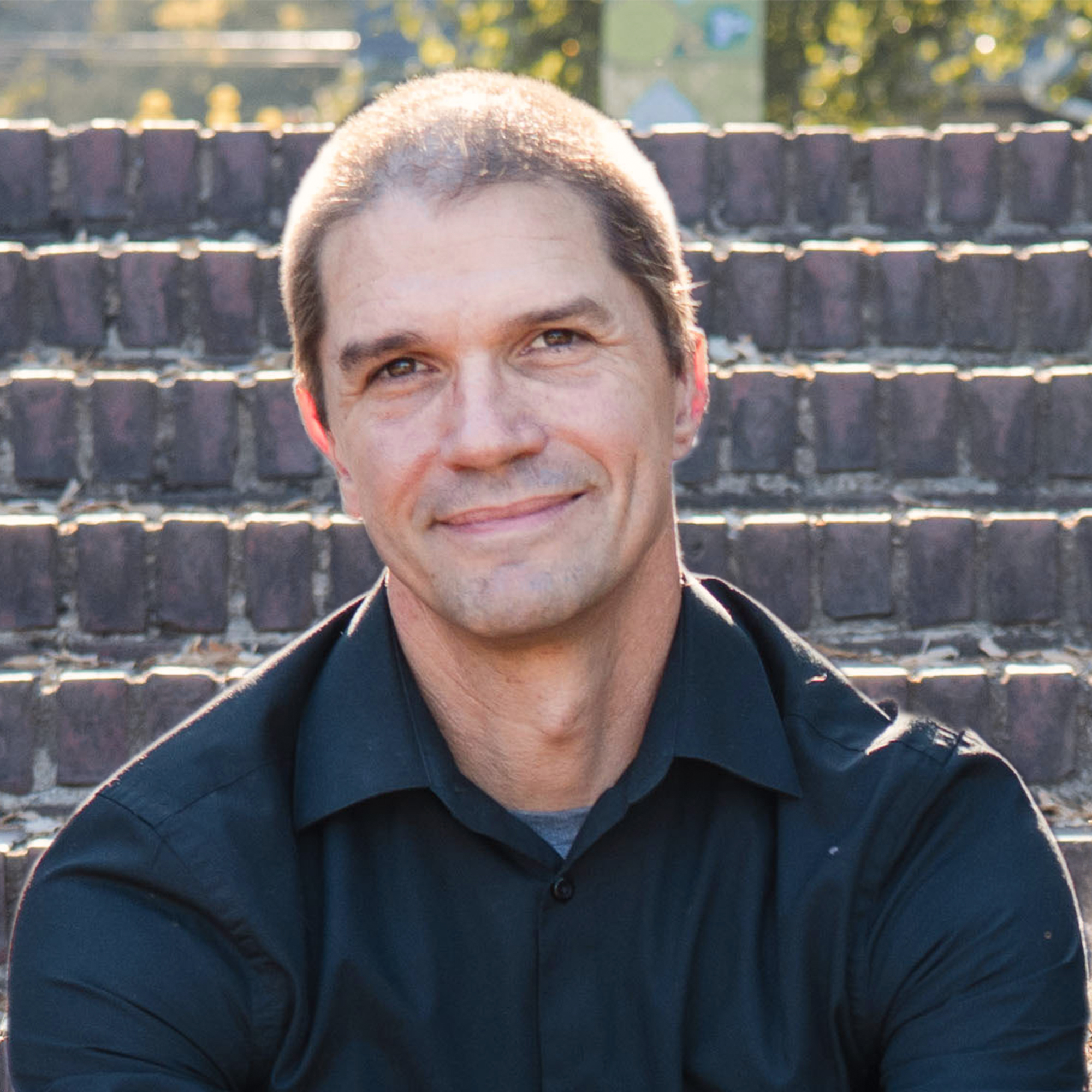 Steve Eberlein and his wife, Lydia, were living in Sri Lanka when a 9.1 subduction zone earthquake off the coast of Indonesia triggered a massive tsunami that claimed 230,000 lives across more than a dozen countries, including 35,000 in Sri Lanka. As aid workers, they were active witnesses to one of the largest multinational relief efforts in history, beginning in its earliest hours.
Only upon returning to their native Oregon did they learn that the Pacific Northwest itself is due for a historic earthquake and tsunami event. In response, Steve became an earthquake preparedness advocate and educator for the Pacific Northwest. His efforts have included a decade of work with the American Red Cross, the delivery of over 200 earthquake preparedness presentations, including an appearance at TEDx Portland. Steve currently serves as the Director of Organizational Resilience at Ethos Preparedness.
Location:
Montreal, QC
PRIORITY:3
TRANSP:TRANSPARENT
BEGIN:VALARM
TRIGGER:-PT5M
ACTION:DISPLAY
DESCRIPTION:Reminder
END:VALARM
END:VEVENT
END:VCALENDAR